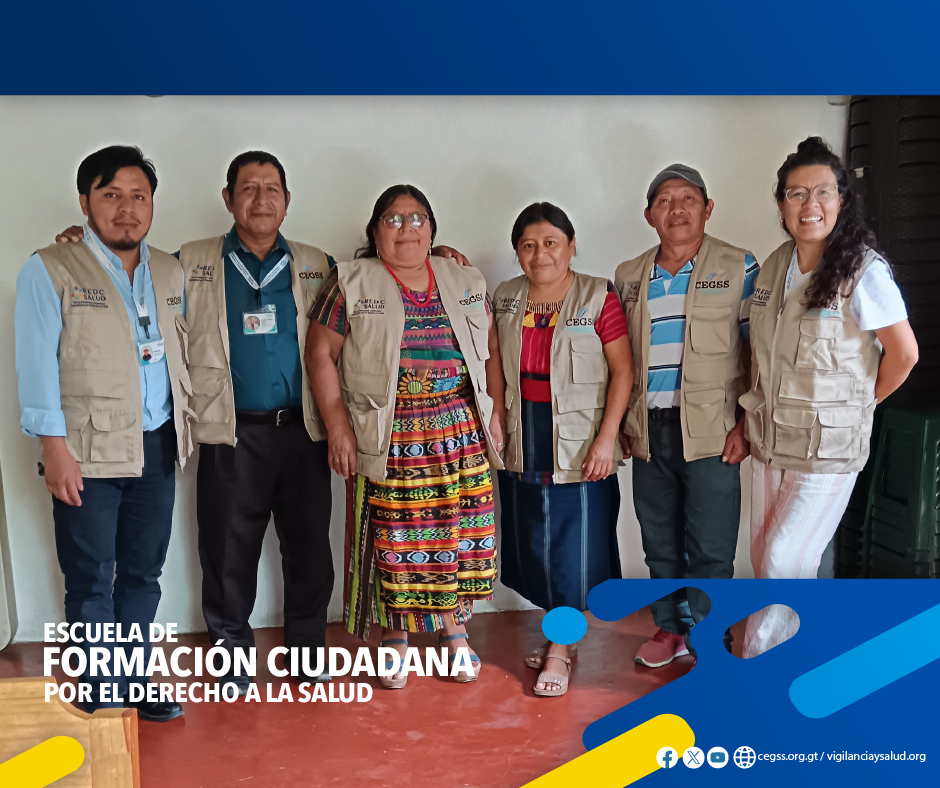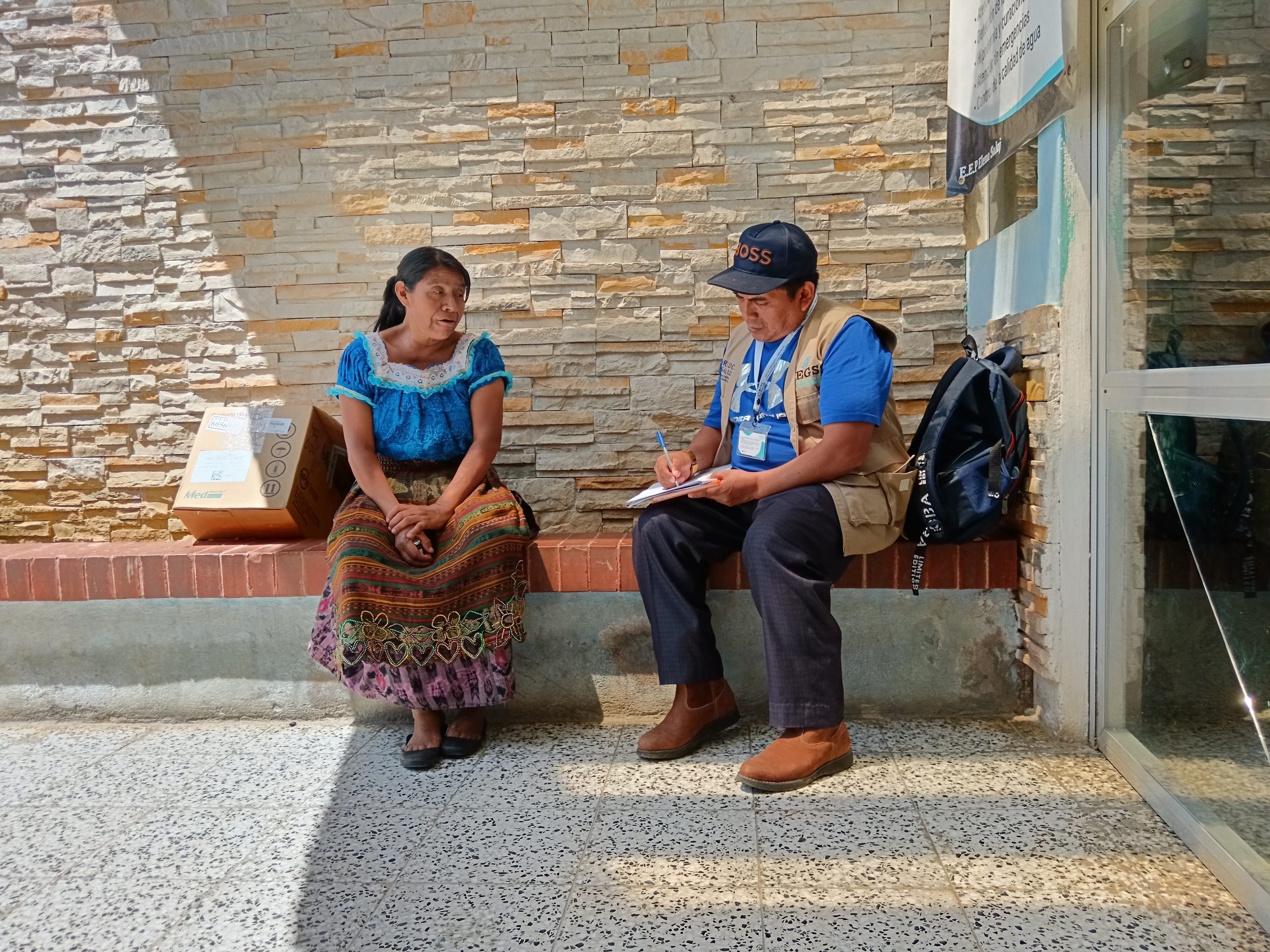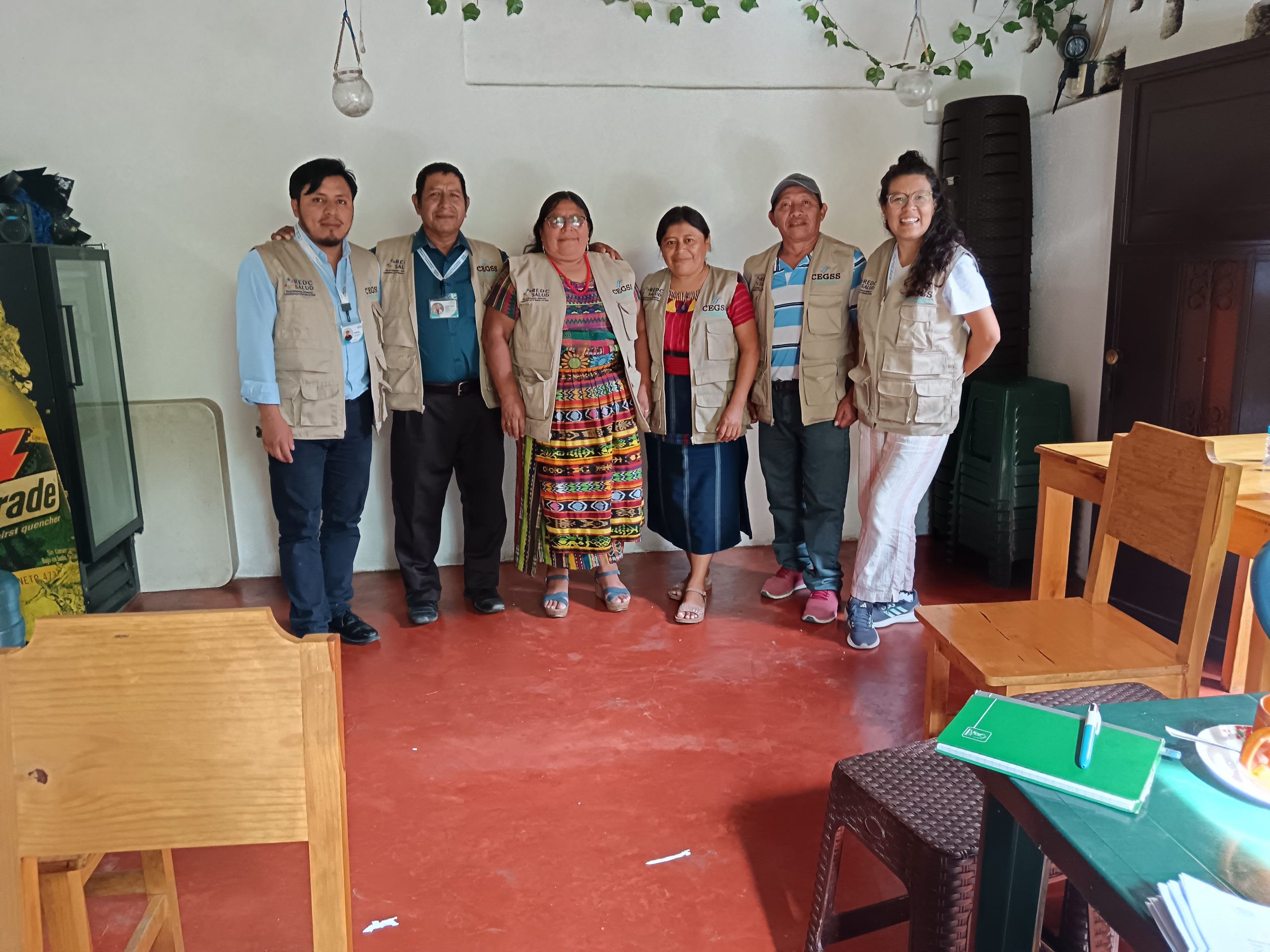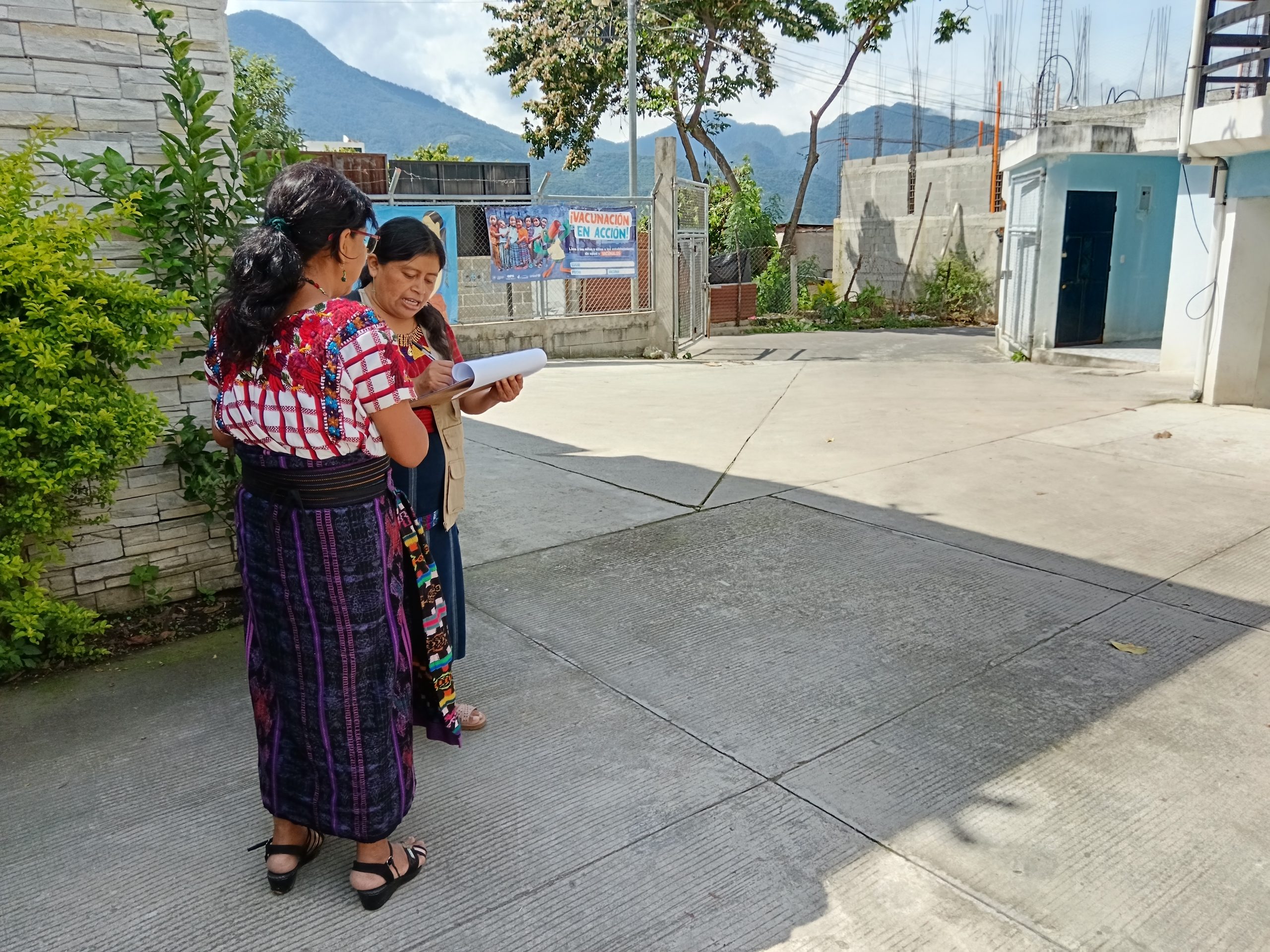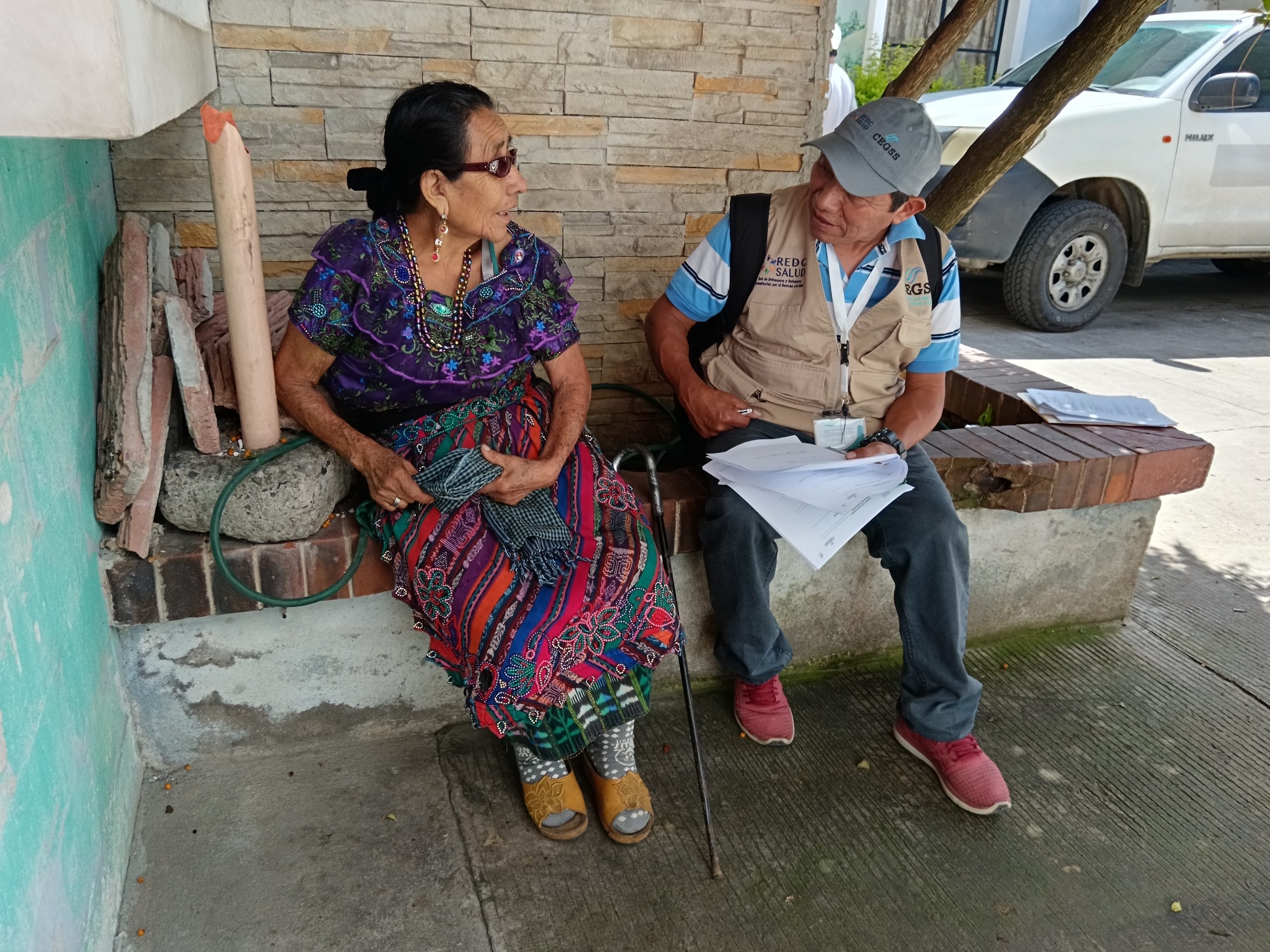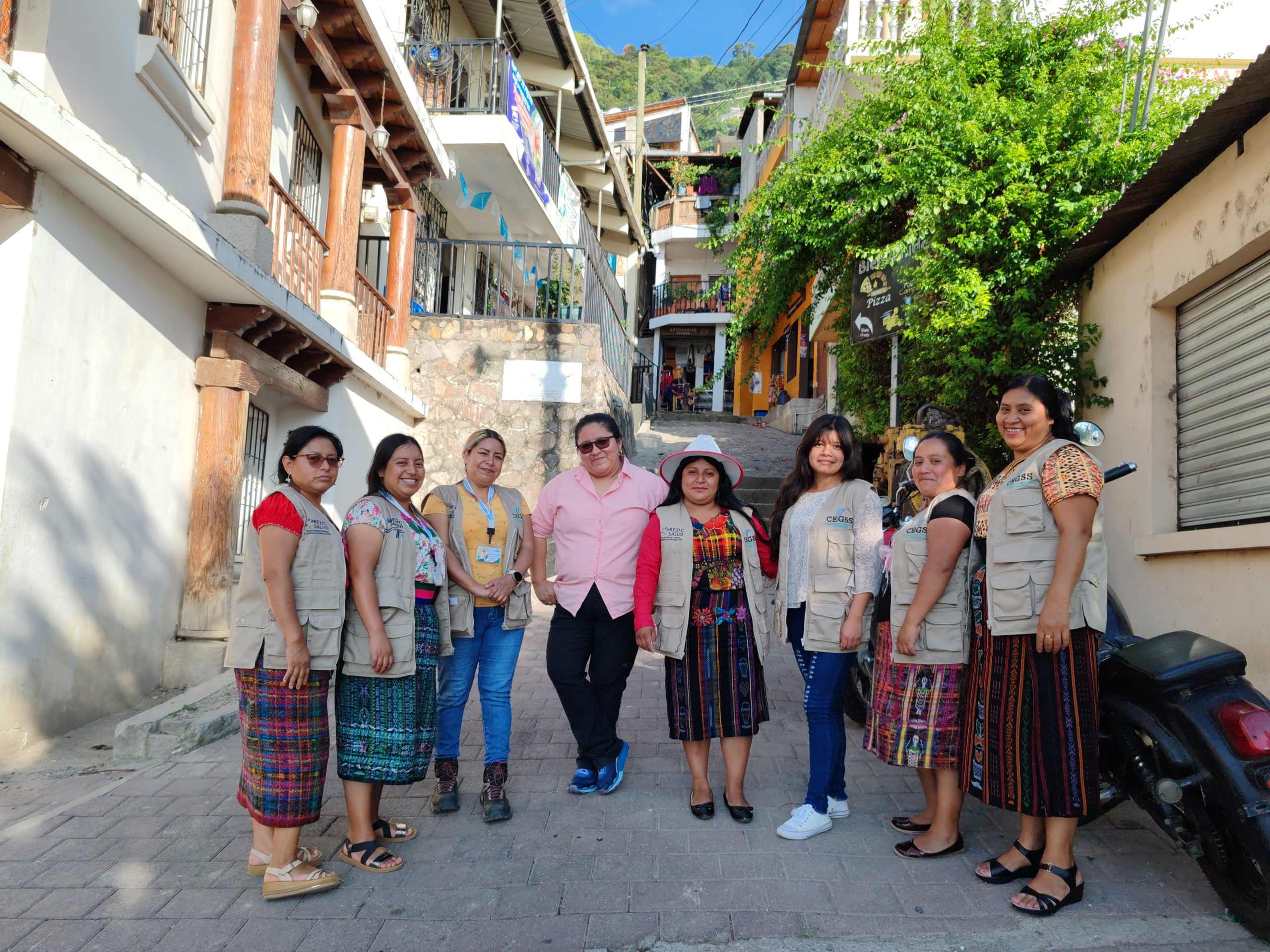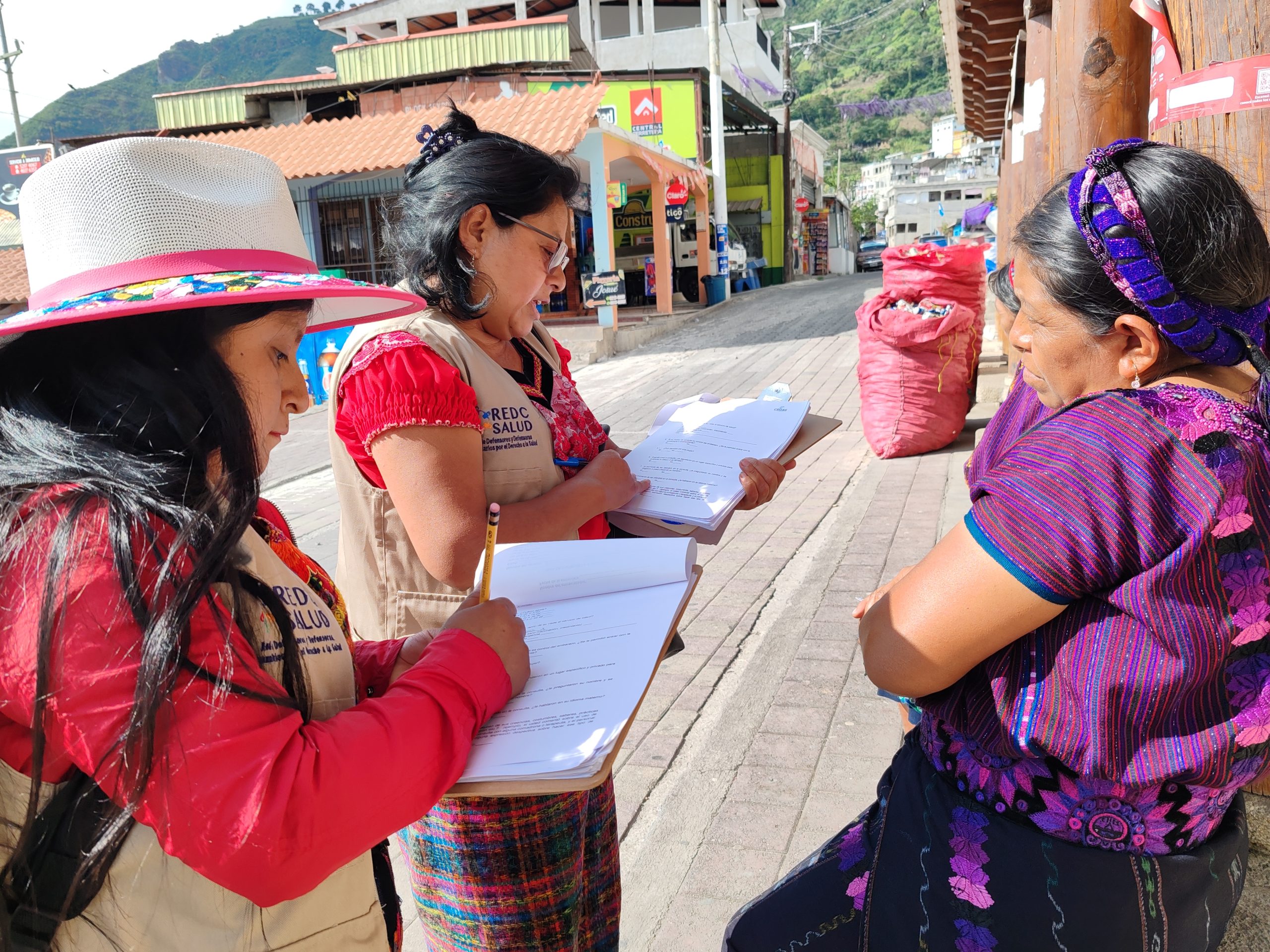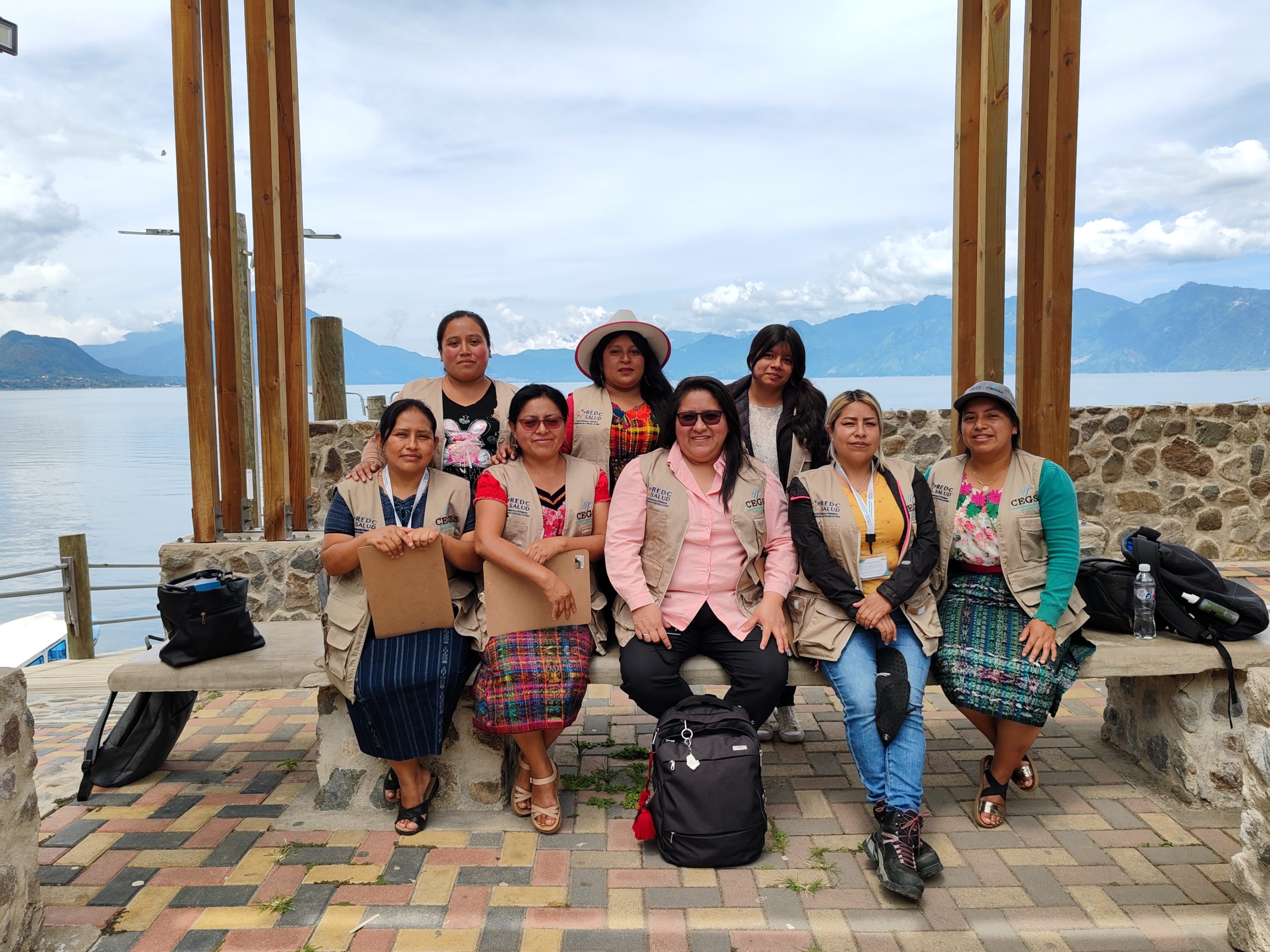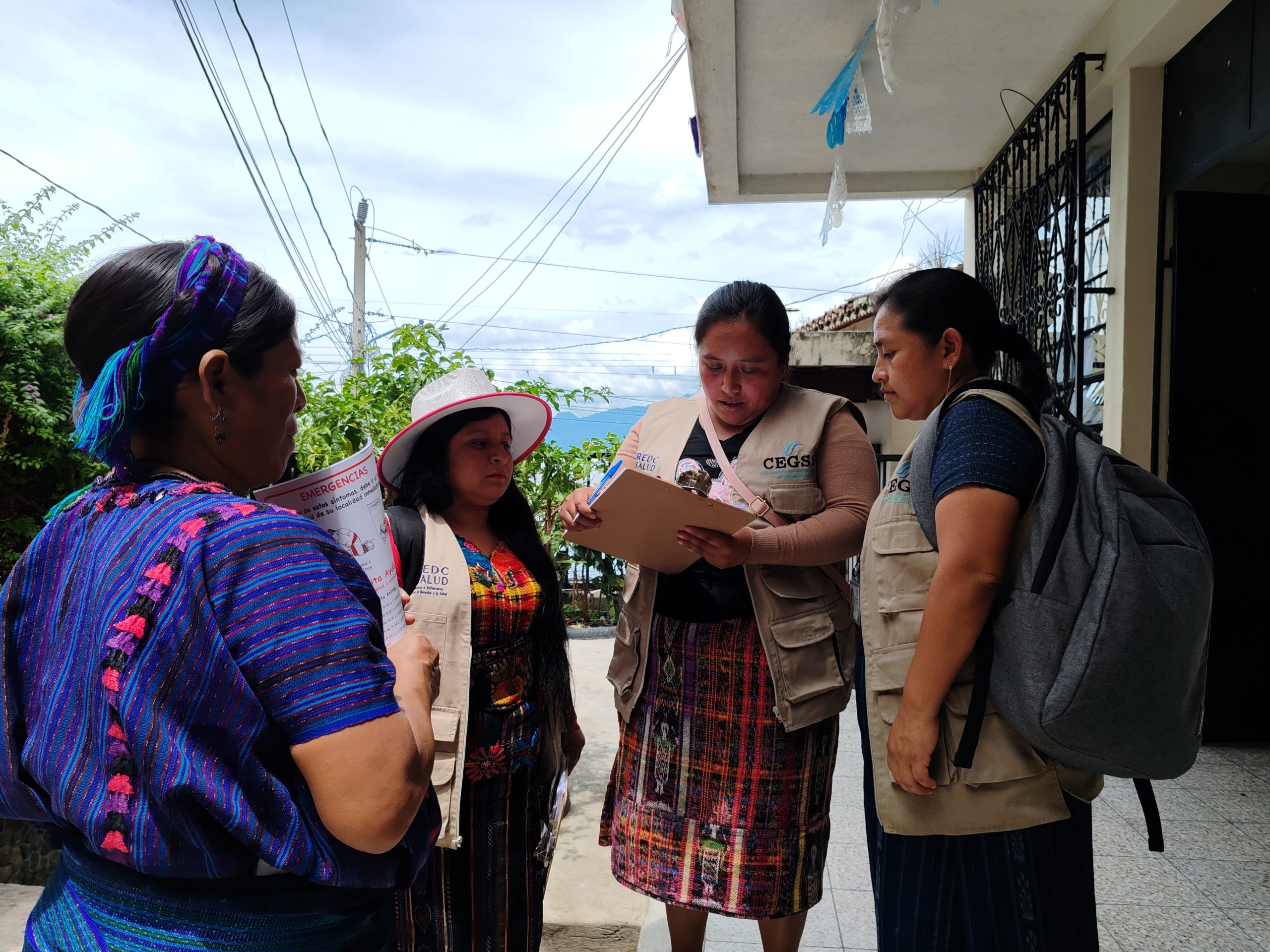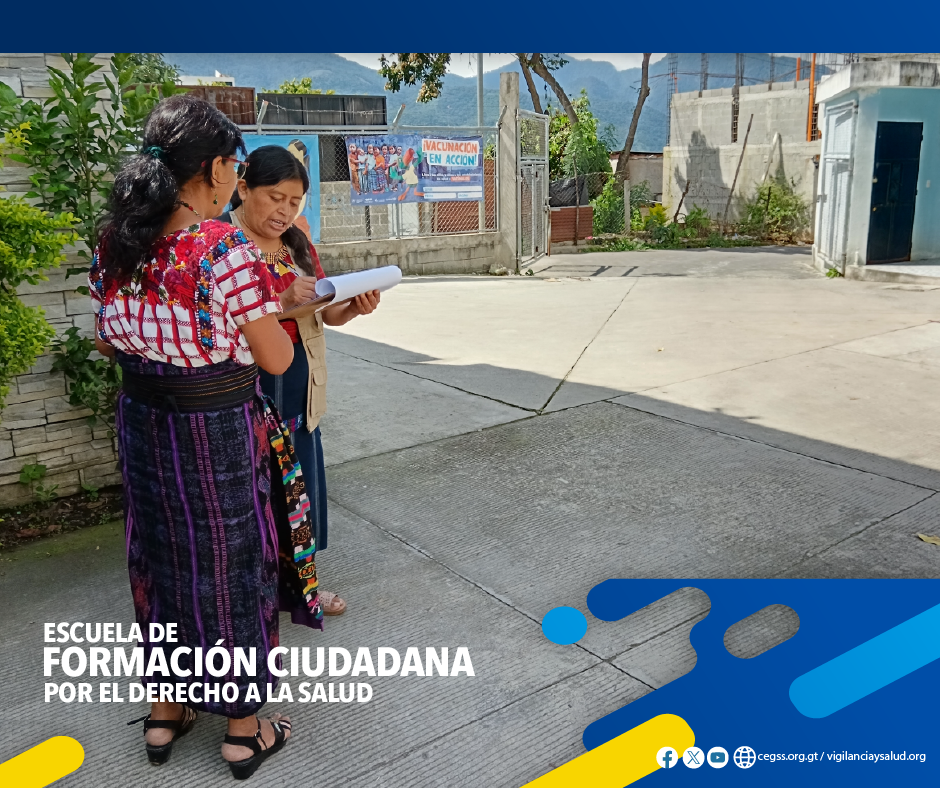
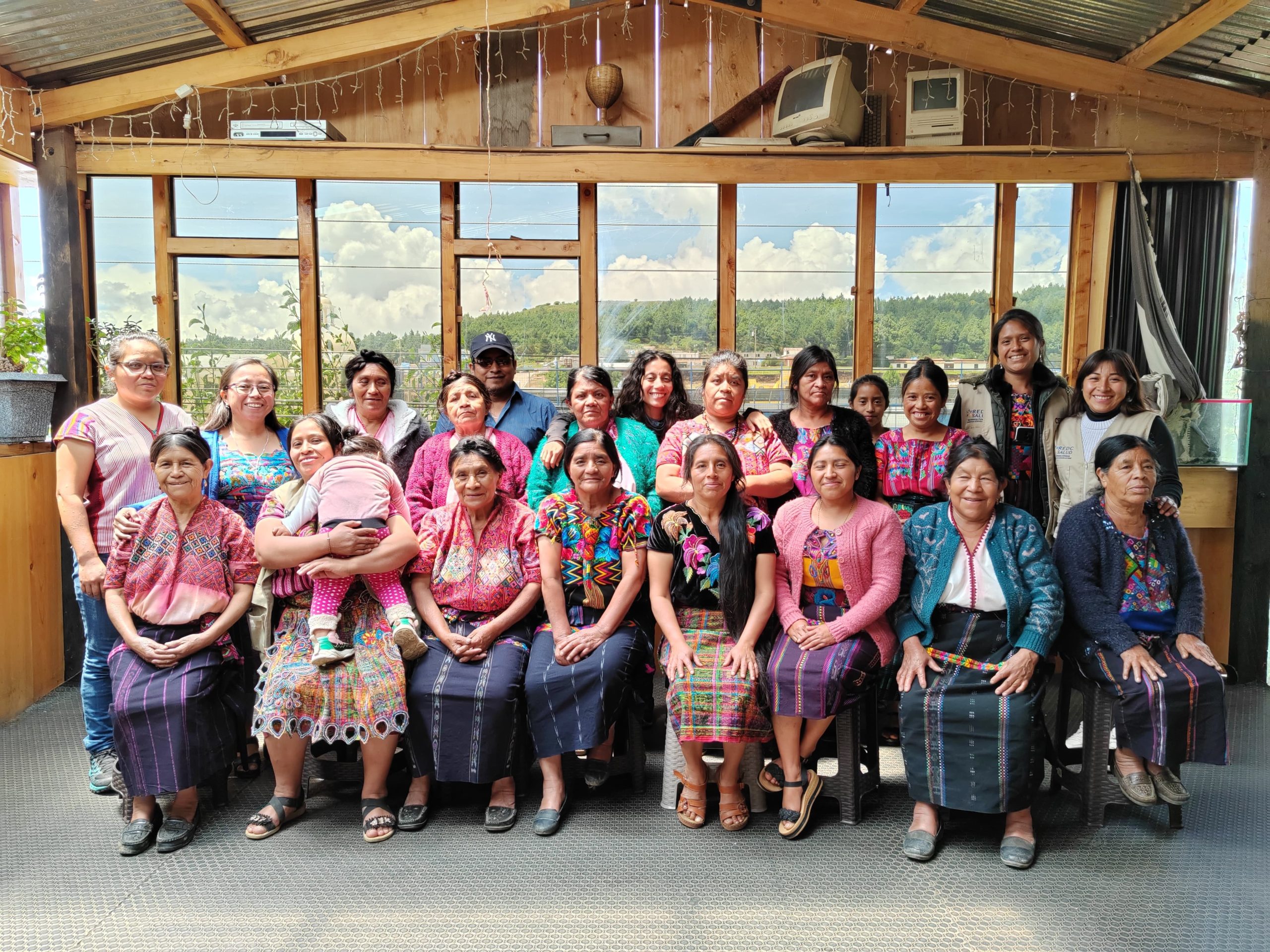
The second cohort of the Citizen School for the Right to Health in Sololá, together with advocates and the CEGSS team, carried out surveillance days at the Health Post in the village of Agua Escondida, San Antonio Palopó, and the CAP of San Pablo La Laguna. These activities are essential to evaluate the quality of health services through the collection of feedback from users, staff and those responsible for the centers.
The monitoring process was developed in three main stages: first, interviews with users to learn about their experiences; then, dialogues with health personnel to identify obstacles in their work; and, finally, meetings with those responsible for the centers to analyze the situation of supplies, equipment and infrastructure. This comprehensive approach provides a complete view of the care provided and is aimed at promoting improvements in the quality of service and guaranteeing access to health care.
Citizen monitoring is the space where participants apply the knowledge acquired during their training, consolidating their active role in the defense of the right to health within their communities. These activities reflect their commitment, supported by REDC-SALUD advocates, strengthening their training and the collective effort for a community advocacy that promotes sustainable solutions tailored to local needs.
Community assembly in Santa Catarina Ixtahuacan
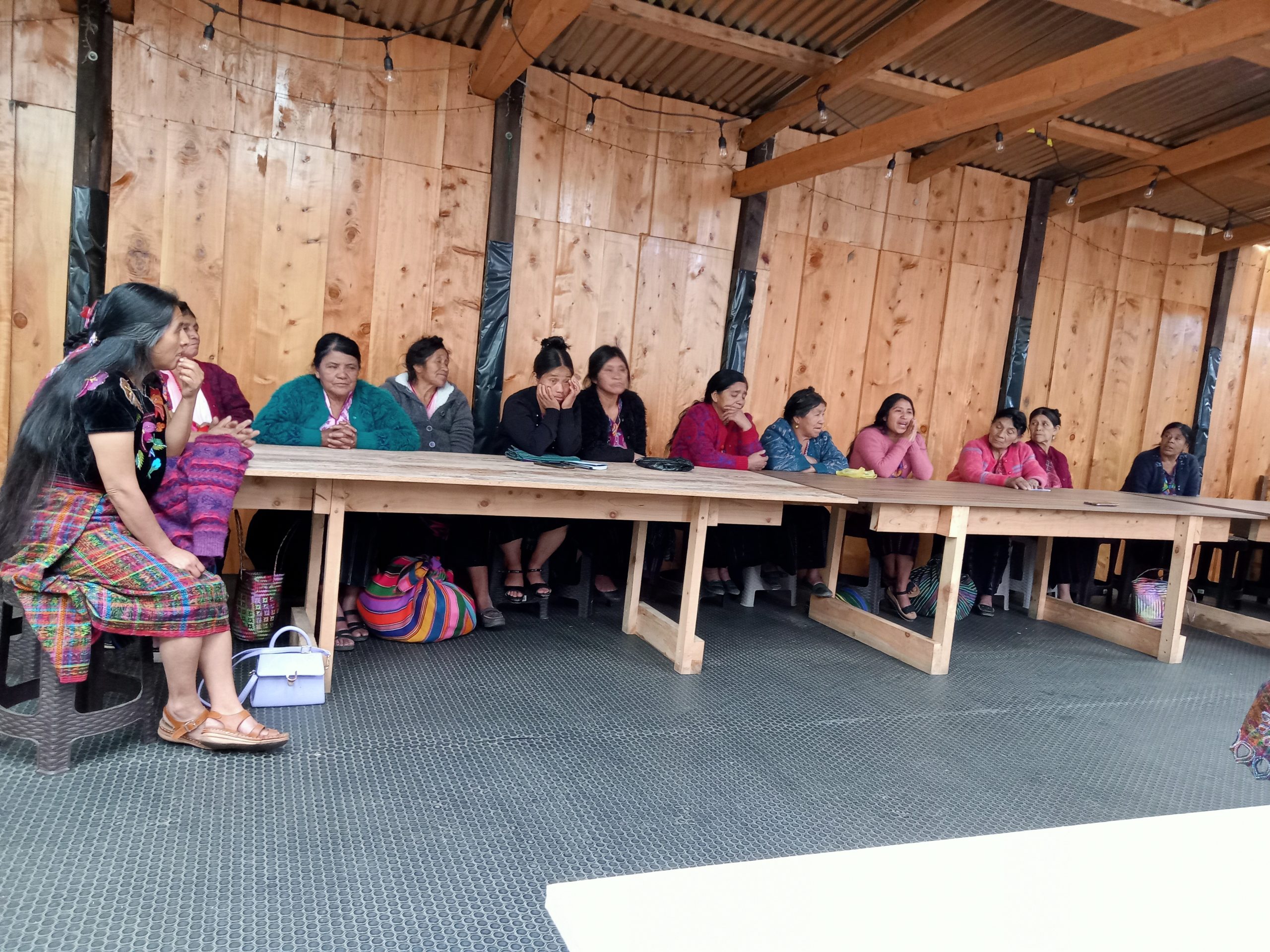
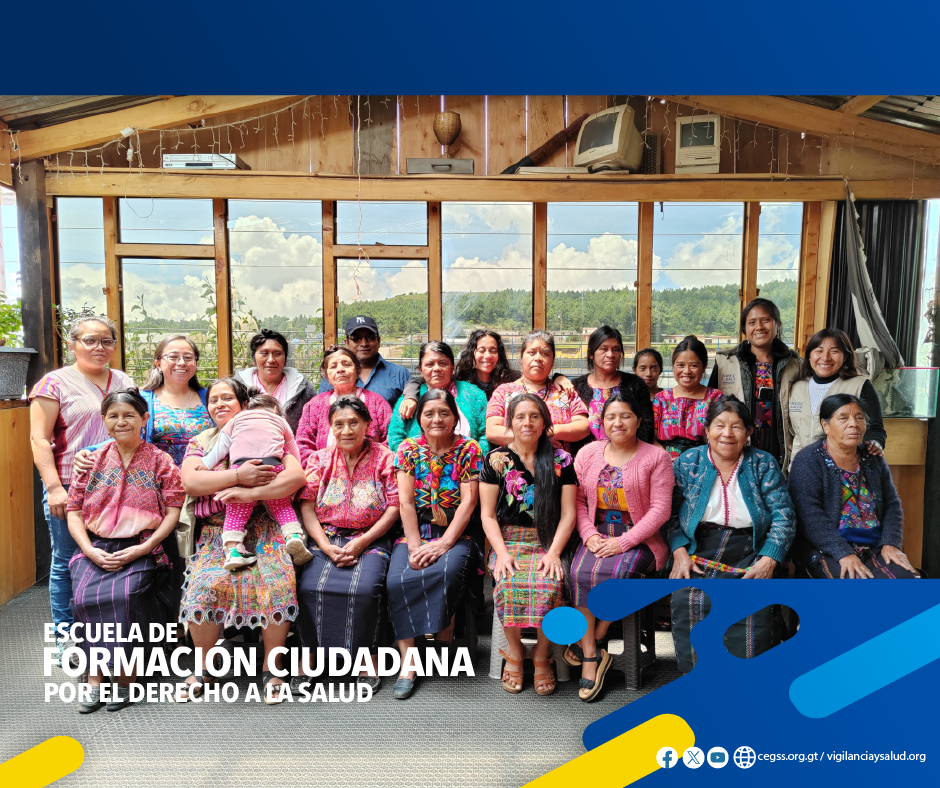
On the same day, the participants of the Citizen School for the Right to Health convened an assembly in the Mariano hall of the community of Santa Catarina Ixtahuacán to address the main health problems of the local population. The activity sought to identify the main difficulties related to access, coverage and quality of care.
Twenty-two people participated in the assembly, including midwives from Antigua Ixtahuacán and Nueva Santa Catarina Ixtahuacán. During the meeting, the midwives shared their experiences about the difficulties of access and care received in previous years, noting that although some of these issues have improved over time, significant challenges remain.
One of the most prominent problems was access to emergency services. Participants mentioned that the cost of ambulance transportation represents a significant barrier, and that the hospital they most frequently visit is in Totonicapán, followed by Quetzaltenango. This situation underscores the urgent need to improve the infrastructure and resources available to ensure accessible, quality care for all inhabitants of the region.