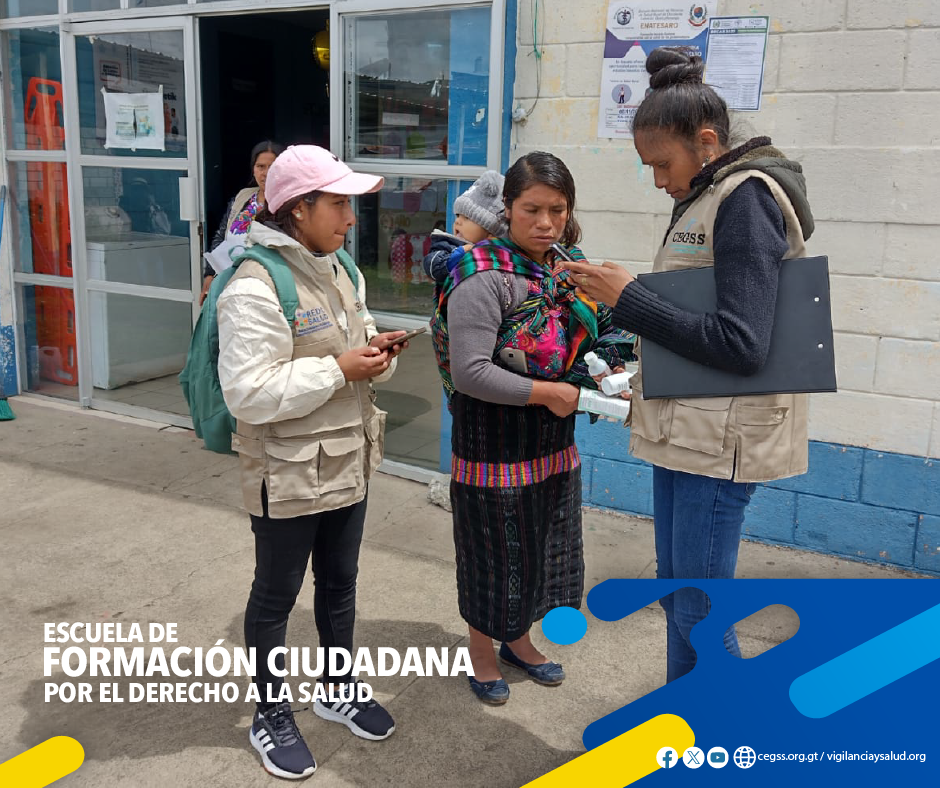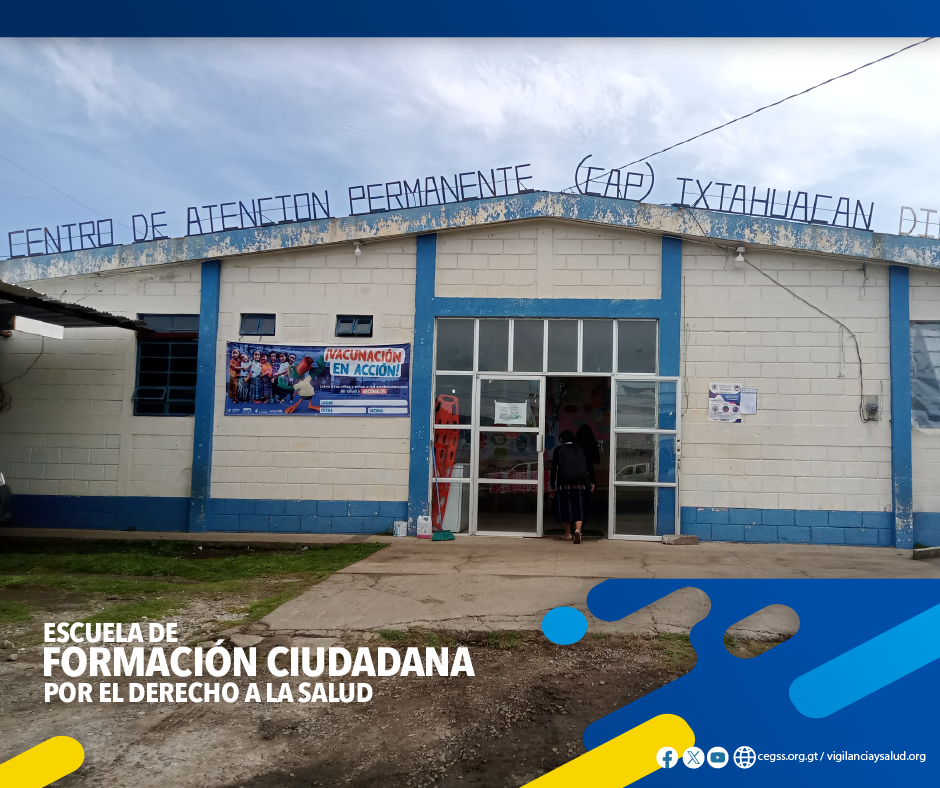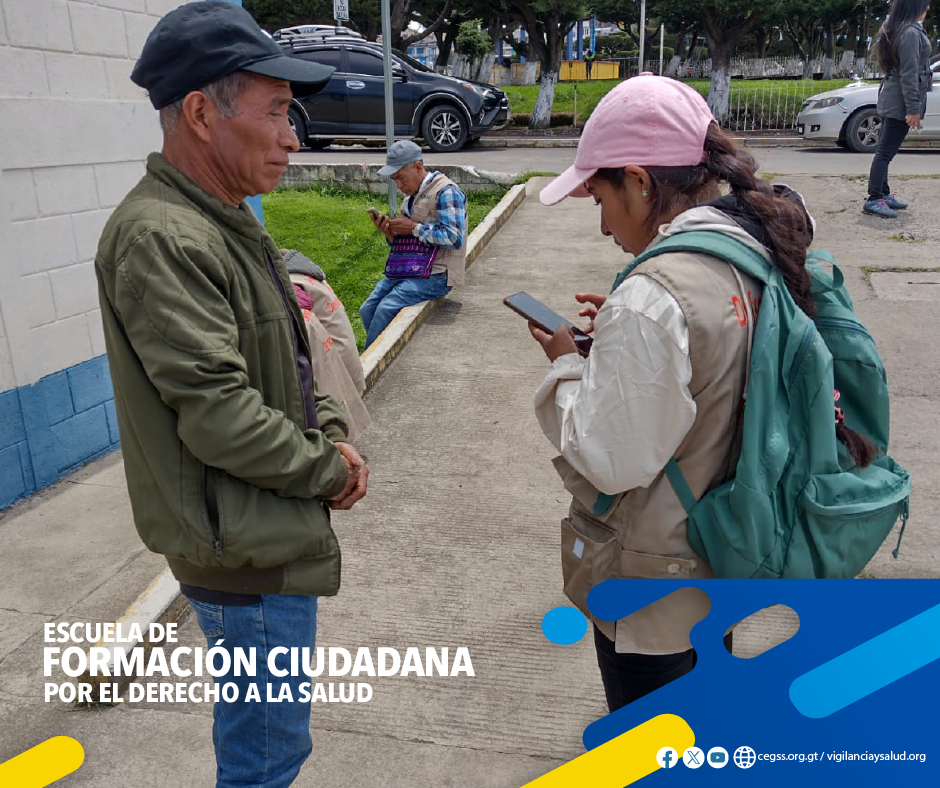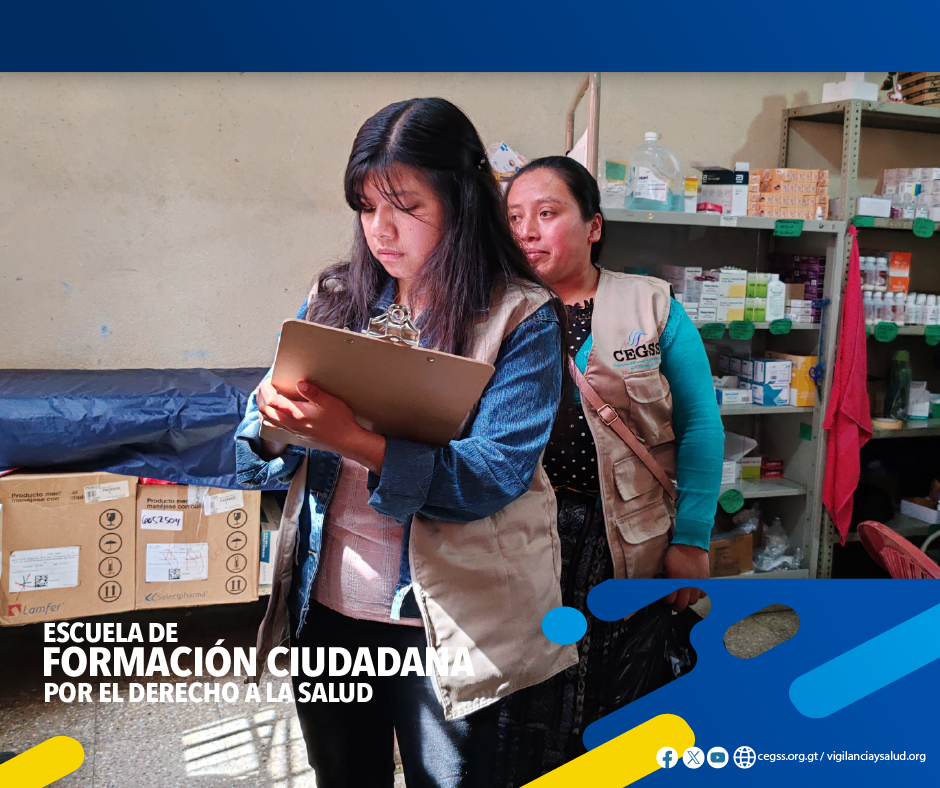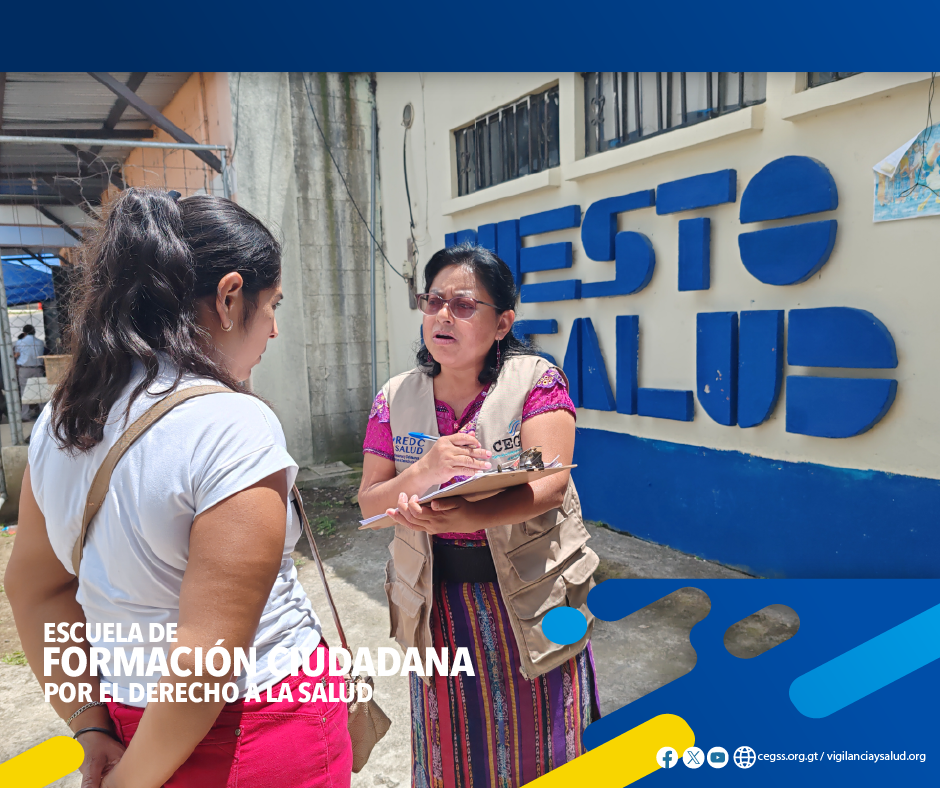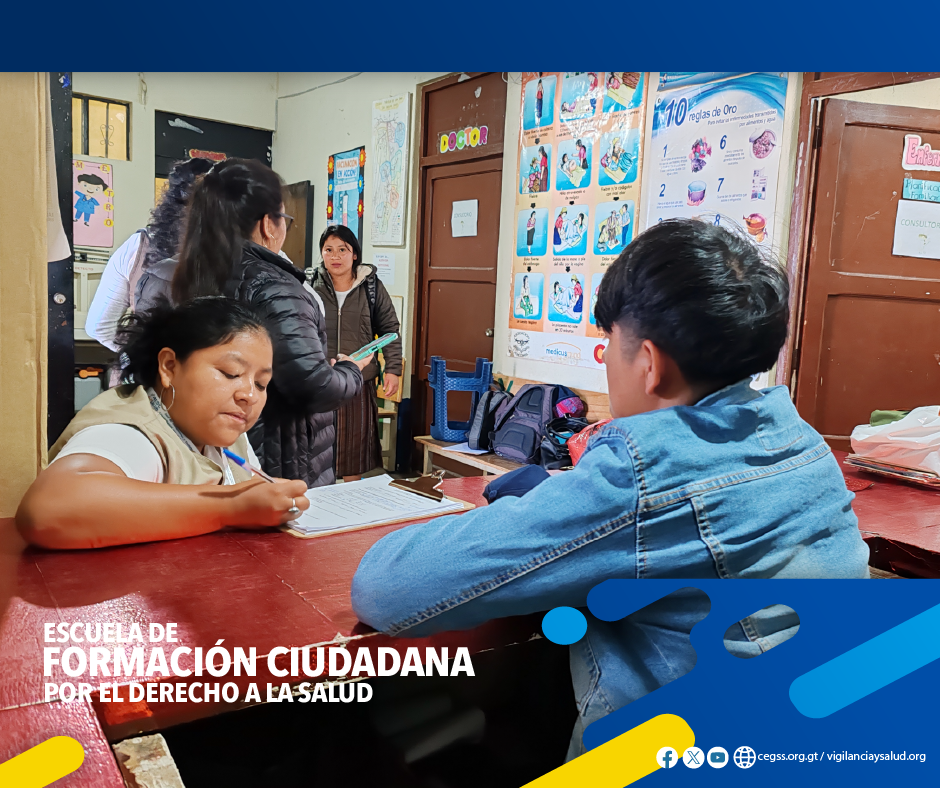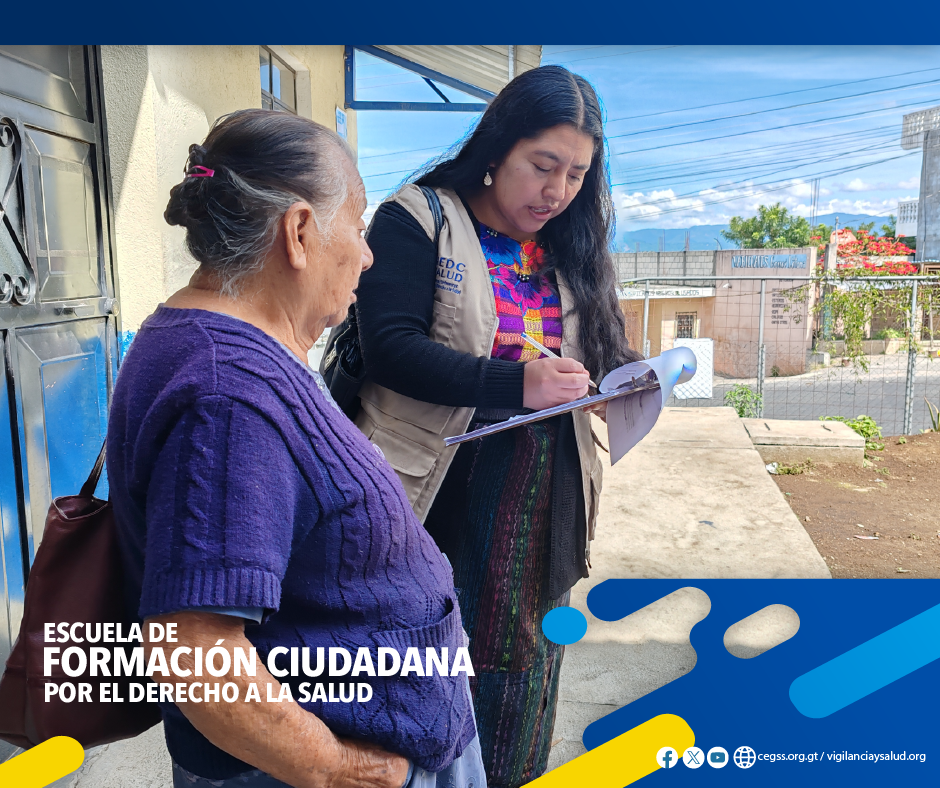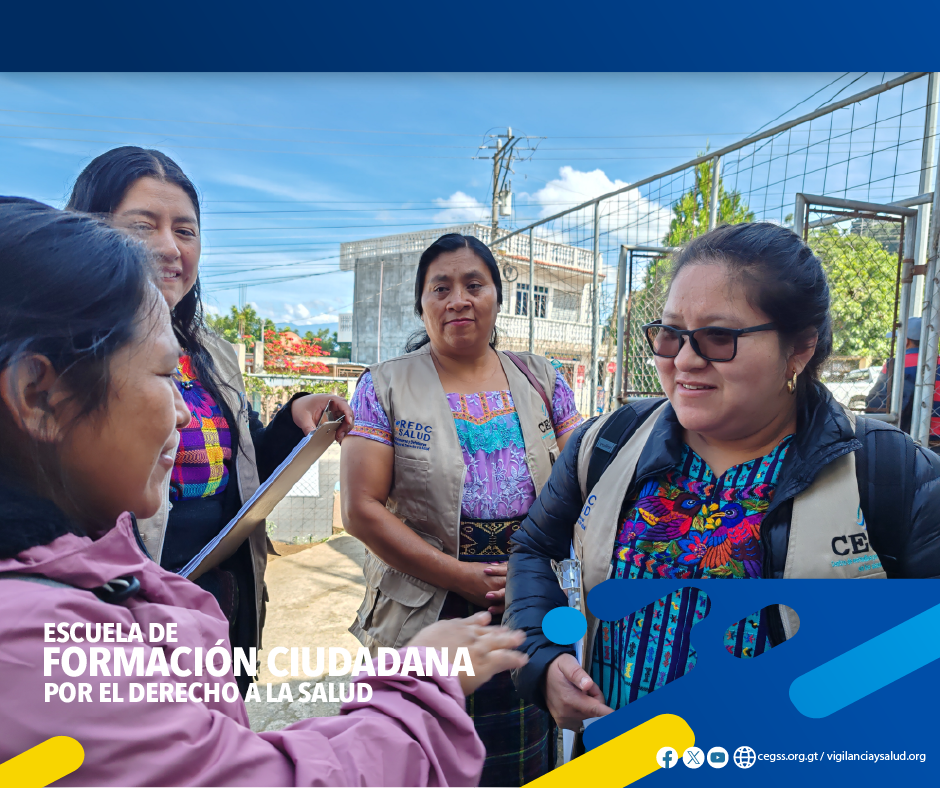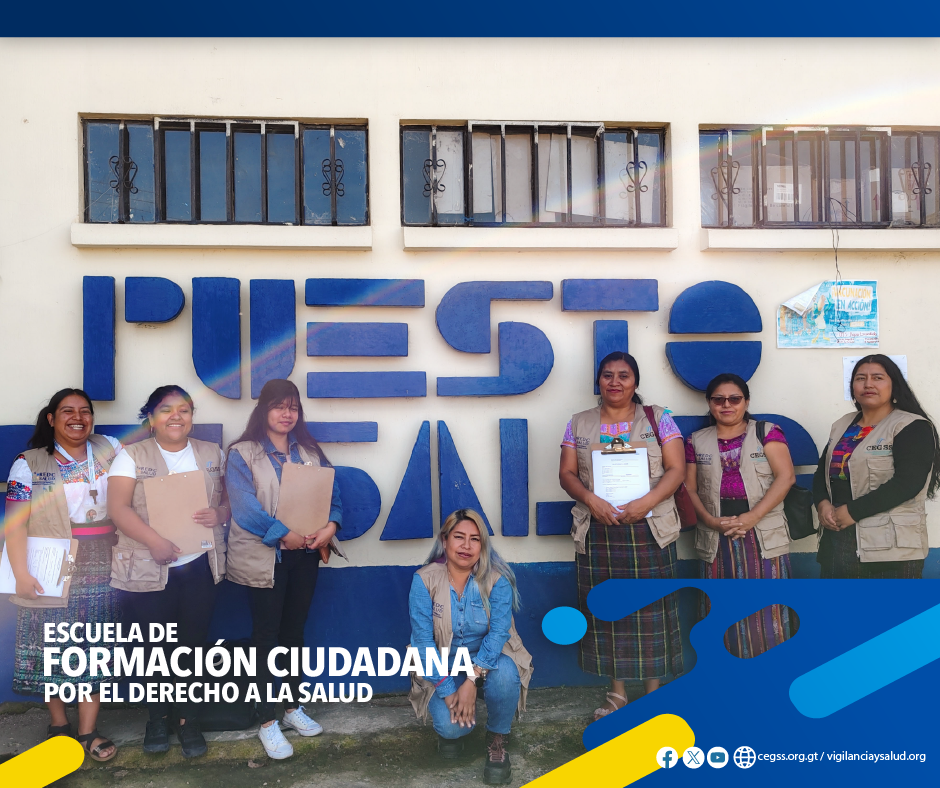
Citizen monitoring of health services is a planned exercise that is carried out periodically in health care centers. Within this framework, the participants of the second cohort of the Citizen School for the Right to Health in Sololá, together with REDC-SALUD advocates and the CEGSS team, carried out two days of surveillance in the Permanent Care Centers (CAP) of San Antonio Palopó and Santa Catarina Ixtahuacán.
The activities were structured in three key moments: interviews with users of the service to gather users' perceptions on quality, acceptability, accessibility and availability, as well as dialogues with health personnel. Finally, the conversation with the person in charge of the CAP in both San Antonio Palopó and Santa Catarina Ixtahuacán allowed us to deepen our understanding of the strategies to optimize care, as well as the challenges faced by the centers in terms of infrastructure and equipment.
These actions not only seek to evaluate the quality of service, but also to promote greater collaboration between users and health care providers. By actively involving the community in the monitoring process, a culture of co-responsibility is fostered and concrete proposals are generated to improve care and make it more inclusive and efficient.
A fundamental aspect of these vigils was the opportunity to apply the knowledge acquired during the school's training process. The participants demonstrated skills in the use of interviewing techniques. Through these practices, the commitment and work of the participants is made visible, as well as the support of the REDC-SALUD advocates. Their community service not only strengthens training in surveillance, but also empowers the community in the active defense of their right to health, promoting long-term solutions based on local needs and equitable access to quality services.