
Who are we
- CEGSS
- /
- Who are we
CEGSS: How we were born for the right to health in Guatemala
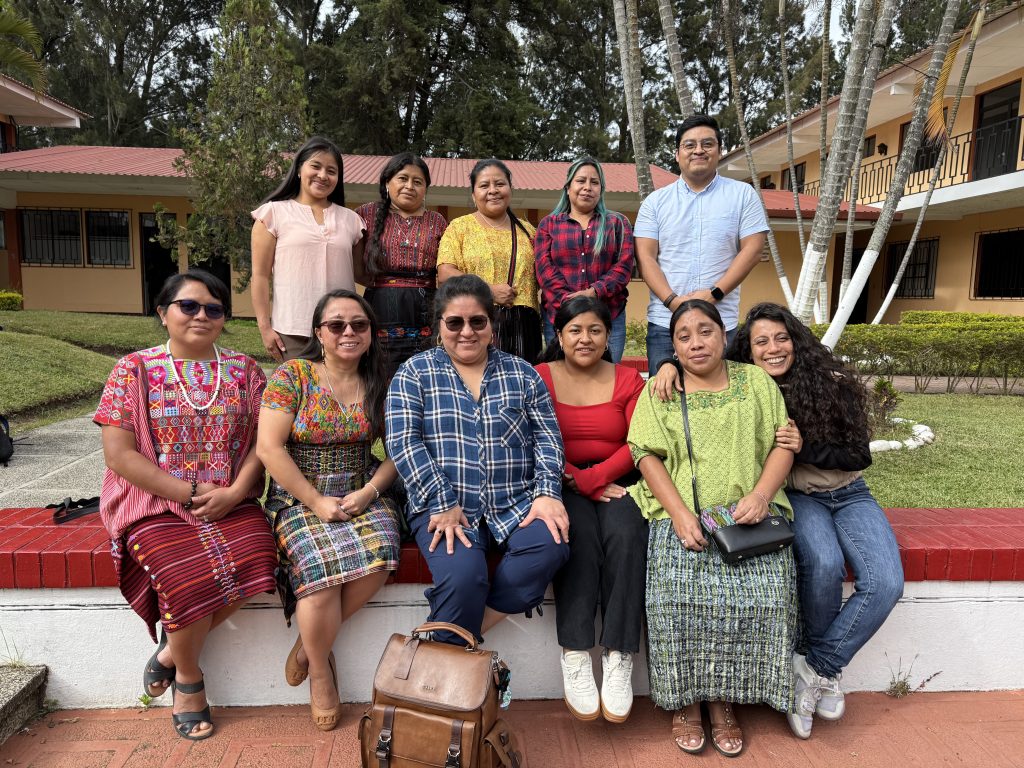
In 2006, a group of young professionals, led by Walter Flores, joined together to implement a participatory action research project to apply a monitoring system for health services in rural municipalities, based on the premise that distrust between the population and public servants is a remnant of the armed conflict experienced in Guatemala and the historical relations of discrimination and social exclusion.
Our basis is the Urban and Rural Development Councils Law and the Health Code, with the project we promote citizen involvement in public policies and health services as a way to bring the different actors together, generate dialogue, accountability and contribute to the democratic governance of the health system.
The project presented significant challenges and demonstrated the enormous potential that exists in addressing problems of access to health services and the shortage of essential supplies, through the collective action of the rural population that learns about their current rights and obligations within the country's legal framework.
We grew by developing academic work with a commitment to supporting the agency of socially excluded populations. We generated our findings and knowledge through research, to be communicated and channeled into advocacy and political influence processes.
Our research project was developed independently until it evolved into the intention of founding a civil association to put its purposes into practice; thus, in January 2009, the Center for the Study of Equity and Governance in Health Systems (CEGSS).
From its foundation to date, the CEGSS team has grown and expanded its work horizon, which currently includes international collaborations and maintains the original purpose that research and knowledge are collective processes that should serve to counteract social exclusion and discrimination in our societies.

We are a center for applied research and innovation in processes of legal empowerment and citizen oversight for accountability and the promotion of human rights in marginalized populations.
We promote social inclusion, democratic governance, and equitable access for the rural indigenous population to public health services and other essential services.